Our ports of call
STOCKHOLM - The “Venice of the North,” spanning 14 small islands at the outflow of Lake Mälar into the Baltic, Stockholm is the largest city in Scandinavia and architecturally one of the finest in the world, with broad streets, waterside parks and many pedestrian walkways. (Wiki)
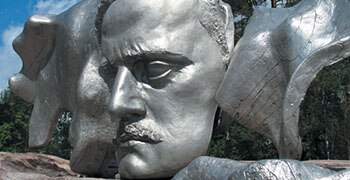
HELSINKI - The capital of Finland, Helsinki is also the cultural, commercial and political center of Finland. Helsinki is an easily-navigated city and an architectural delight. Helsinki is laid out with spacious streets interspersed with many gardens and parks. Wide streets and nearby islands add to Helsinki’s visual appeal. Beautiful neo classical buildings surround town squares and the cathedral is probably the most recognized of all Helsinki landmarks. (Wiki)
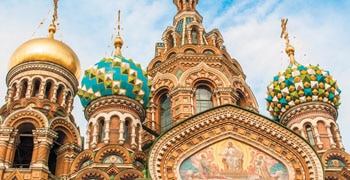
ST PETERSBURG - St. Petersburg was the capital of the Russian Empire for over 200 years. Peter the Great’s “Window on Europe” is known as Russia’s artistic and intellectual center. (Wiki)
TALLINN - On the southern coast of the Gulf of Finland lies Tallinn, the capital and main seaport of Estonia. Though the city has been bombed and pillaged many times throughout the ages, much of the town as it was in medieval times remains. Atmospheric streets serve as home to the palaces of Castle Hill. Ancient convents, steepled churches and handsome guild houses are all preserved as they were in Tallinn’s Old Town area, which was named a UNESCO World Heritage Site. (Wiki)
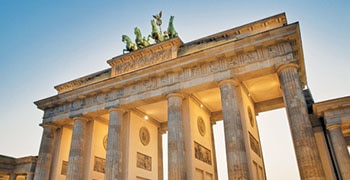
BERLIN - Warnemünde (Berlin) is a sea resort and district of Rostock in Mecklenburg-Western Pomerania, situated at the Baltic Sea in the Northeast of Germany at the estuary of the river Warnow. Being a center of maritime traffic, the district of Warnemünde comprises numerous navigational aids, the oldest of which is the lighthouse located near the beach promenade. The lighthouse, which is currently still in use, was built in 1897. Warnemunde is also our gateway to nearby Berlin. (Wiki)
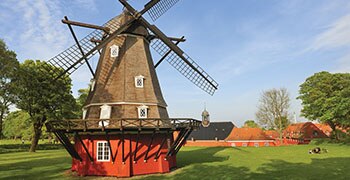
COPENHAGEN - Copenhagen, the royal capital of Denmark, is one of Europe's oldest capitals. It was a fishing village until the middle of the 12th century, but then grew in importance after being fortified in 1167. Because of its harbor, it soon became a place of commercial importance. Copenhagen has a long history well-integrated with today's modern life. Theaters, museums, art galleries and musical entertainment are among the attractions that make Copenhagen memorable. (Wiki)



No comments:
Post a Comment